Ecuador exports some of the finest cacao beans in the world. It also imports chocolate.
That is not a contradiction — it is two businesses sharing one word. For a manufacturer weighing the market, understanding the difference is the difference between a viable listing and a warehouse full of stock. WORLD OF WONDERS W-O-W INTERNATIONAL SAS distributes imported chocolate Ecuador’s traditional channel actually moves, and the logic is not the one most exporters assume.
Beans and Counters Are Different Markets
Fine-aroma cacao leaves the country by the tonne, bound for European and Japanese manufacturers who turn it into single-origin tablets. Long chain, concentrated volumes, premium positioning.
The chocolate a neighbourhood shop keeps beside the till is the inverse: small units, individually wrapped, bought one at a time with loose change. The two never compete. A brand that pitches origin credentials into this channel is answering a question nobody asked.
Format Is the Product
Here is what surprises operators used to modern trade: imported chocolate that rotates in Ecuador’s traditional channel is barely sold in tablet form.
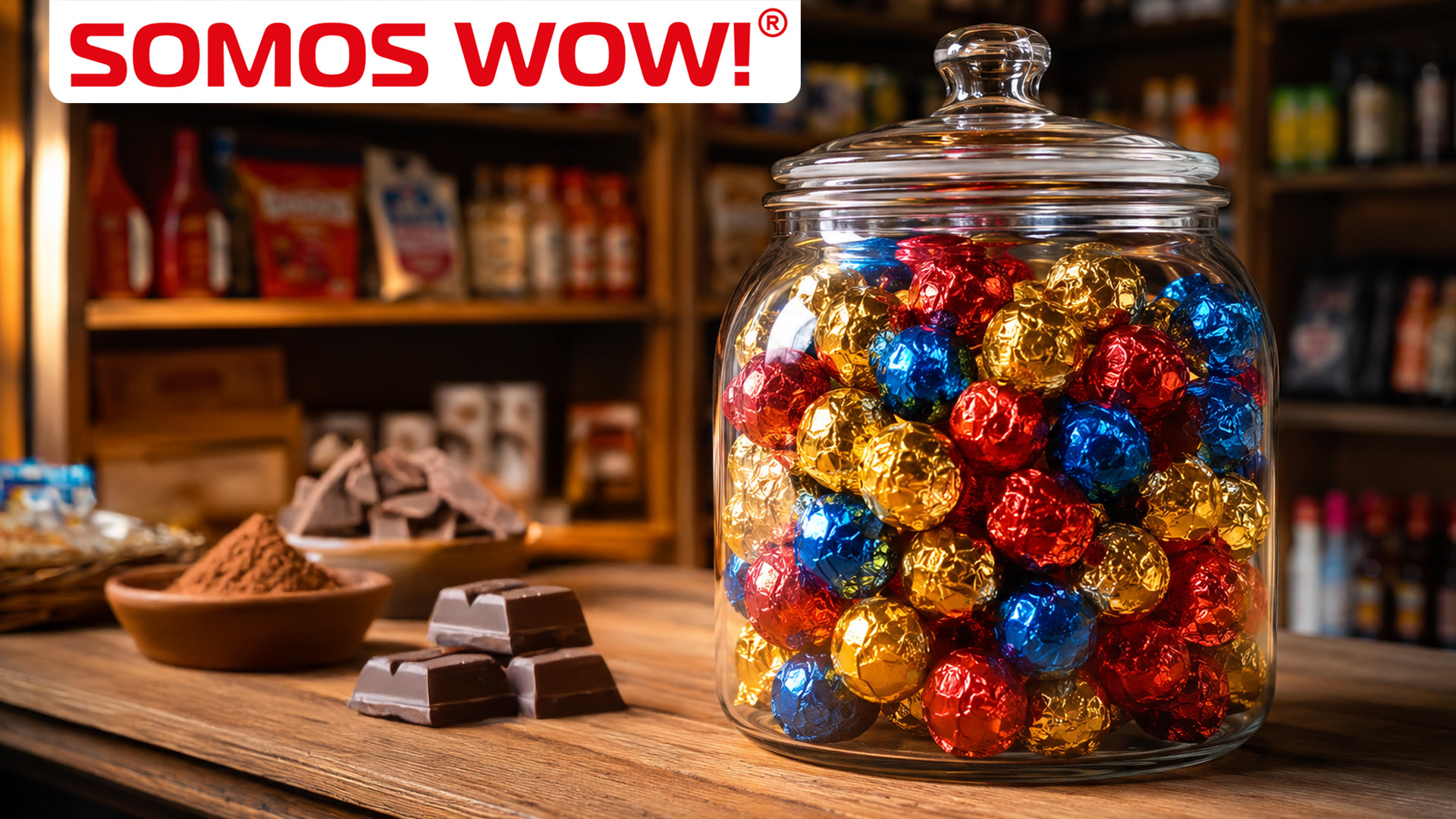
It sells in bulk. One-kilo bags of individually wrapped bonbons, which the shopkeeper tips into a counter jar and sells by the piece. That format solves three problems at once:
- Minimum entry price — the consumer buys one bonbon, not a pack
- No packaging waste — the retailer doses what is on display instead of carrying half-sold cases
- Visible assortment — one jar with five fillings signals variety without consuming shelf
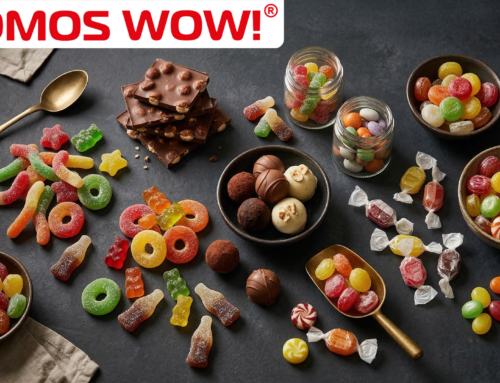
Within that logic, very different profiles work: cream-filled bonbons, chocolate-and-biscuit, truffles, fruit centres, dessert-flavour lines. Coated and filled wafers belong to the same purchase decision even though they are usually counted separately.
The Tropics Are a Design Constraint
There is a technical reason not every chocolate works here. Guayaquil is warm and humid for most of the year, and cold chain in the traditional channel is effectively non-existent.
That rules out formulations that bloom or deform at ambient temperature, and favours coatings and fillings with real thermal tolerance. Product that arrives immaculate at the port and fails on the road to a provincial shop is not a logistics problem — it is a selection error.
What This Means for an Exporting Brand
Three questions decide whether a chocolate line survives in this market, and none of them is about the recipe:
- Does the format fit a counter jar and a by-the-piece sale?
- Does the product hold up across a tropical route without cold chain?
- Can the same filling be replenished next month, and the month after?
The third is where most entries fail. Continuous assortment is settled upstream of the purchase order — which is why we work through a network of more than twenty strategic partners across several countries, and develop more than fourteen proprietary brands registered with Ecuador’s trademark office.